

By Dr Vaibhav Agnihotri, MBBS ,DCH ,DNB (PAEDIATRICS ),FELLOWSHIP NEONATOLOGY (IAP),FELLOWSHIP IN ALLERGY & Immunology (PGI Chandigarh ) Consultant and Hod Paediatrics & Neonatology (SONI HOSPITALS JAIPUR, Director :Life care Clinic (Complete Mother & childcare centre) Chitrakoot, Jaipur
Express Take Away
- Human metapneumovirus (HMPV), identified 20 years ago, commonly causes respiratory infections in infants and children. While most cases result in mild upper respiratory infections, severe outcomes like bronchiolitis and pneumonia can occur, leading to hospitalization in 3-10% of affected young children.
- Treatment can range from symptomatic care to ICU support with mechanical ventilation for severe cases. HMPV peaks in March in the Northern Hemisphere, with seasonal activity from January to March.
- The epidemiology of HMPV and other respiratory viruses was significantly altered by nonpharmaceutical interventions (NPIs) during the COVID-19 pandemic, reducing circulation. However, after the relaxation of these measures, there was a noted resurgence and off-season occurrences of infections like RSV and invasive group A Streptococcal infection.
- No Need to Panic
- Dr Atul Goel, from the Directorate General of Health Services, has urged the public not to panic over the HMPV outbreak in China, stating that HMPV causes symptoms similar to the common cold, especially in the elderly and infants.
- He emphasized there’s no need for alarm, as there’s no significant increase in cases in India, and hospitals are prepared for seasonal respiratory infections. General precautions like avoiding close contact with sick individuals and using separate items for coughing/sneezing are recommended.
- There’s no specific antiviral for HMPV, highlighting the importance of prevention. The NCDC is monitoring the situation and collaborating internationally.
- Meanwhile, China has responded to WHO’s request for more data on respiratory diseases, asserting they’ve been transparent about COVID-19.
Human metapneumovirus (HMPV), first identified in 2001
- Is a newly recognized respiratory pathogen structurally similar to respiratory syncytial virus (RSV). Epidemiological studies reveal that approximately 90% of individuals are exposed to HMPV by adulthood.
- Human metapneumovirus (hMPV) is a leading cause of acute respiratory infection. It was identified in 2001 by scientists in the Netherlands
- Children, people with weakened immune systems and the elderly are most susceptible to developing complications from hMPV infection.
- HPMV is spread by close contact with an infected individual or by coming in contact with a contaminated area.
- HMPV usually causes symptoms similar to the common cold that last roughly 2-5 days and go away on their own.
- Most children who get infected with HMPV are age 5 or younger. A small number of children (5-16%) infected will develop a lower respiratory tract infection such as pneumonia.
What Causes HMPV?
- HMPV is most commonly spread from person to person through close contact with someone who is infected via secretions from coughing and sneezing or touching objects such as toys or doorknobs that have the virus on them. In the United States, hMPV is more likely to circulate during the winter and spring months when other similar infections, such as RSV and the flu, are prevalent.
Who Is at Risk?
- HMPV can cause upper and lower respiratory disease in patients of all ages. However, it is most common in young children and the elderly in whom it is more likely to develop into bronchiolitis, bronchitis or pneumonia.
- Though a history of asthma, COPD, emphysema or any other lung disease does not make someone more likely to contract the illness, once they have it, these lung diseases can make symptoms more severe. This is also true for people with weakened immune systems, including patients undergoing chemotherapy or post organ transplant.
HMPV-Associated Lower Respiratory Tract Infections in Adult Inpatients:
- Predominantly elderly individuals with pre-existing health conditions.
- Bacterial Coinfection: Approximately 30% of patients gives history of bacterial co-infection.
- Severity: Nearly 20% of patients may require mechanical ventilation and/or experienced hospital mortality.
- One study highlights that a low lymphocyte count and the use of steroids at a dose of ≥1 mg/kg at the time of upper respiratory infection (URI) diagnosis are significant risk factors for progression to lower respiratory disease (LRD) in patients with HMPV. The progression rates approached 60% in high-risk categories. Interestingly, the viral load in nasopharyngeal samples at the time of HMPV URI diagnosis did not correlate with the risk of progression to LRD.
Impact on Intestinal Immunity:
Innate Immunity:
- Cytokine Production: HMPV infection has been observed to increase the transcription of interferon-gamma (IFN-γ) in the colon, indicating an activation of the innate immune response. This suggests that HMPV, even though primarily a respiratory pathogen, can induce systemic immune responses affecting the gut.
- Cellular Changes: There’s evidence of changes in the frequencies of different innate immune cells within the colonic lamina propria, although the direct mechanism behind these changes isn’t fully understood. This might imply that the immune activation from the respiratory tract influences the gut’s innate defence mechanisms.
Adaptive Immunity:
- T Cell Response: A significant increase in colonic CD8+ T cells and memory precursor effector CD8+ T cells has been noted in HMPV-infected mice, suggesting that the virus impacts adaptive immunity in the intestines. This could be part of a broader immune response where T cells mobilized against the virus in the lungs might migrate or have effects in the gut.
- Antibody Production: While there weren’t marked changes in the expression of antimicrobial peptides or IgA+ plasma cells in the colon, the systemic nature of the immune response might subtly influence local adaptive immune responses in the gut, although more research is needed to confirm this.
Current Molecular Diagnosis Methods for HMPV Detection:
1. Reverse Transcription Polymerase Chain Reaction (RT-PCR):
- Principle: This method involves converting the viral RNA into complementary DNA (cDNA) using reverse transcriptase, followed by amplification of the target DNA using PCR.
- Application: RT-PCR is one of the most common methods for detecting HMPV due to its sensitivity and specificity. It can target specific genes like the F protein gene, which is conserved among HMPV strains.
- Advantages: Allows for the detection of the virus even at low concentrations; can be used for genotyping or sequencing for further epidemiological studies.
- Limitations: Requires specialized equipment, time-consuming due to multiple steps, and there’s a risk of contamination.
2. Real-Time Quantitative Reverse Transcription Polymerase Chain Reaction (RT-qPCR):
- Principle: Similar to RT-PCR but with the addition of fluorescent probes or dyes for real-time monitoring of the amplification process, which quantifies the amount of viral RNA present.
- Application: Provides both qualitative (presence/absence) and quantitative (viral load) data, which is crucial for assessing the severity of infection or monitoring treatment efficacy.
- Advantages: High sensitivity and specificity, quicker results due to real-time monitoring, and the ability to multiplex (detect multiple pathogens simultaneously).
- Limitations: More expensive than conventional RT-PCR, requires sophisticated equipment, and skilled personnel.
3. Reverse Transcription Loop-Mediated Isothermal Amplification (RT-LAMP):
- Principle: This method amplifies DNA under isothermal conditions (constant temperature) using a set of four to six primers that recognize six to eight distinct regions on the target DNA.
- Application: RT-LAMP is gaining traction for point-of-care diagnostics due to its simplicity and speed. It can be performed in resource-limited settings without the need for thermal cyclers.
- Advantages: Rapid, cost-effective, can be visually detected (with simple dyes), less prone to contamination since it’s performed in a closed tube, and does not require sophisticated lab equipment.
- Limitations: Potentially less sensitive than RT-PCR or RT-qPCR, and the design of effective primers can be complex.
Challenges and Future Directions:
- Cross-reactivity: Due to the similarity between HMPV and RSV, especially in the F protein, there is a need for highly specific primers and probes to avoid false positives or negatives.
- Serological Methods: The lack of effective serological diagnostics for HMPV highlights the reliance on molecular methods. However, there is ongoing research to develop or refine serological tests for broader diagnostic capabilities.
- Point-of-Care Testing: There’s a push towards developing simpler, faster, and more portable molecular diagnostics that can be used near the patient to facilitate quicker clinical decisions.
- Early and accurate diagnosis using these molecular methods is crucial for managing outbreaks, tailoring patient care, and for epidemiological surveillance to understand the spread and impact of HMPV infections.
Clinical Predictors for HMPV Lower Respiratory Tract Infection (LRTI) in Children:
- Wheezing as an Indicator:
- Observation: Wheezing in children diagnosed with hMPV LRTI is a crucial clinical sign indicating potential deterioration towards hypoxic respiratory failure.
- Implications: This symptom should be monitored closely as it might necessitate interventions like oxygen supplementation and anti-inflammatory treatments to prevent further complications.
- Atopy and Asthma History:
- Observation: Children with a history of atopy or asthma might experience a more intense inflammatory response when infected with hMPV.
- Implications: This group requires tailored treatment strategies, possibly including more aggressive use of bronchodilators or corticosteroids, and close monitoring to manage their condition effectively.
- Management and Monitoring:
- Vigilant Care: The study supports the need for a nuanced approach to managing hMPV infections in children, particularly those at higher risk due to their medical history. This includes:
- Tailored Treatments: Adjusting therapy based on individual patient factors, focusing on reducing inflammation and supporting respiratory function.
- Close Monitoring: To quickly identify and respond to signs of worsening respiratory status.
- Vigilant Care: The study supports the need for a nuanced approach to managing hMPV infections in children, particularly those at higher risk due to their medical history. This includes:
- Long-Term Health Implications:
- Enduring Impact: The research suggests that hMPV can have long-lasting effects on respiratory health in children, which calls for:
- Continued Research: To better understand the pathogenesis of hMPV, its interaction with host immunity, and its long-term sequelae on lung function.
- Preventive Strategies: Exploring vaccines or other preventive measures, given the potential for hMPV to cause repeated or severe respiratory issues over time.
- Enduring Impact: The research suggests that hMPV can have long-lasting effects on respiratory health in children, which calls for:
Ginkgolic acid inhibits orthopneumo- and metapneumo- virus infectivity
- Therapeutic Potential: One study suggests GA could be developed into a treatment for acute infections caused by HRSV and HMPV. This is particularly important given the limited therapeutic options currently available.
Preventing HMPV Infection:
| Wash your hands: Use soap and water frequently, especially after being in public spaces or before eating. |
| Avoid touching your face: Refrain from touching your eyes, nose, or mouth with unwashed hands to reduce the risk of infection. |
| Maintain social distance: Keep a safe distance from individuals who are sick. If you’re experiencing symptoms similar to those of HMPV, isolate yourself to prevent spreading the virus. |
| Cover when coughing or sneezing: Always cover your mouth and nose with a tissue or your elbow when coughing or sneezing to prevent the spread of droplets containing the virus. |
CME INDIA Learning Points
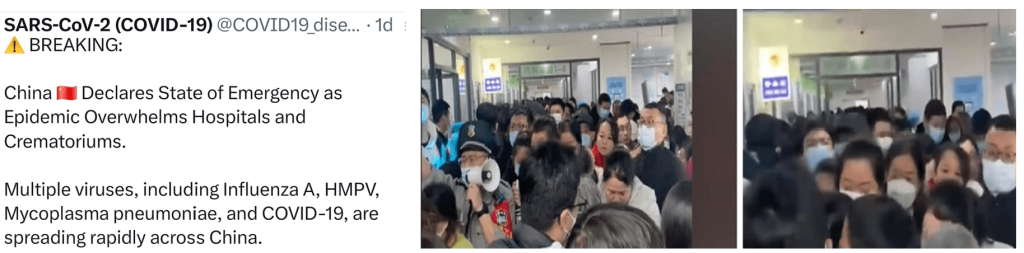
- There has been a notable increase in the reports of Human Metapneumovirus (HMPV) infections in China.
- According to recent news, this surge is particularly affecting children under the age of 14, with the northern provinces experiencing a more pronounced upward trend in cases.
- China’s National Disease Control and Prevention Administration has responded by piloting a monitoring system for respiratory diseases, including pneumonia of unknown origin, to better manage and track these infections.
- This increase in HMPV cases comes at a time when other respiratory illnesses are also on the rise, contributing to crowded hospitals during the winter season.
- Educate parents or caregivers on signs of respiratory distress that warrant immediate medical attention.
- Given the rise in HMPV cases, clinicians should maintain a high index of suspicion for this virus, especially in regions reporting increased activity. Continuous education on respiratory virus management and infection control practices remains crucial.
Clinical Presentation:
- Symptoms: HMPV can present with symptoms similar to other respiratory viruses, including cough, fever, nasal congestion, and shortness of breath. In severe cases, it can lead to bronchiolitis or pneumonia, particularly in infants, young children, the elderly, or those with weakened immune systems.
- The comparison between Human Metapneumovirus (HMPV) and COVID-19 across various categories:
Severity:
HMPV: Generally mild to severe, with severe cases mostly in infants, the elderly, and immunocompromised individuals. Rarely fatal.
COVID-19: Ranges from mild to severe, with potential fatality, even in healthy individuals.
Mortality Rate:
HMPV: Lower mortality overall, with deaths usually linked to preexisting conditions or age.
COVID-19: Higher mortality, especially early in the pandemic, with rates varying due to vaccines and variants.
Hospitalization:
HMPV: Less frequent, mainly in young children and older adults.
COVID-19: Frequent across all age groups, posing a significant healthcare burden globally.
Transmission Method:
HMPV: Primarily through respiratory droplets, close contact, and contaminated surfaces.
COVID-19: Similar to HMPV but also spreads more easily through aerosols and has more airborne transmission.
Infectiousness:
HMPV: Moderately transmissible.
COVID-19: Highly transmissible, with variants like Delta and Omicron being particularly contagious.
Seasonality:
HMPV: Peaks in winter and early spring.
COVID-19: Initially no clear seasonality, but waves often linked to colder months.
Common Symptoms:
HMPV: Fever, cough, nasal congestion, sore throat, wheezing, difficulty breathing.
COVID-19: Fever, cough, fatigue, loss of taste or smell, sore throat, headache.
Severe Complications:
HMPV: Bronchiolitis, pneumonia, respiratory failure in high-risk groups.
COVID-19: Severe pneumonia, Acute Respiratory Distress Syndrome (ARDS), blood clots, multi-organ failure.
Unique Symptoms:
HMPV: Wheezing and bronchiolitis more typical in children.
COVID-19: Loss of taste/smell (specific to earlier variants), broader systemic symptoms.
Acute Illness Duration:
HMPV: Typically resolves in 1-2 weeks for healthy individuals.
COVID-19: Recovery varies, can take weeks or months; some experience long-term symptoms (Long COVID).
Chronic Complications:
HMPV: Rare post-viral issues.
COVID-19: Long-term cardiovascular, respiratory, neurological, and fatigue-related complications.
Reinfection:
HMPV: Reinfections possible; immunity is temporary and partial.
COVID-19: Reinfections common; severity varies with immunity and variants.
This comparison highlights the differences in clinical presentation, transmission, and outcomes between HMPV and COVID-19, which can be useful for understanding their respective impacts on public health.
Diagnosis:
- Testing: Since HMPV symptoms overlap with other respiratory viruses, PCR testing is the most reliable method for definitive diagnosis. However, in many settings, treatment might be based on clinical presentation due to limited access to specific HMPV tests.
- Differential Diagnosis: Distinguish from influenza, RSV, and other common respiratory pathogens, especially in peak seasons for multiple viruses.
- Is there any testing available in India for HMPV now.? The gold standard for diagnosing HMPV is Polymerase Chain Reaction (PCR) testing, which is available in various medical facilities across the country. Given the recent reports of HMPV outbreaks in China, the Indian health authorities are closely monitoring respiratory and seasonal influenza cases to ensure early detection and response.
Management:
- Supportive Care:
- Hydration: Ensure adequate hydration, especially in children who might refuse fluids due to respiratory distress.
- Fever and Pain Relief: Use acetaminophen or ibuprofen for fever and pain relief, but be cautious with dosing, especially in paediatric patients.
- Oxygen Therapy: For those with significant respiratory distress, consider oxygen supplementation.
- Antiviral Therapy: There’s no specific antiviral treatment for HMPV. Management is largely supportive, focusing on symptom relief and monitoring for complications.
- Isolation: In healthcare settings, isolation precautions should be taken to prevent nosocomial spread, especially since HMPV can lead to outbreaks in hospitals.
Prevention:
- Hand Hygiene: Emphasize rigorous hand hygiene practices among patients, caregivers, and healthcare workers.
- Respiratory Etiquette: Teach covering coughs and sneezes, and avoiding close contact when ill.
- Isolation of Sick Individuals: Advise sick individuals to stay home to prevent spreading the virus.
Special Considerations:
- High-Risk Groups: Pay extra attention to infants, elderly, immunocompromised patients, and those with chronic lung conditions. These groups are at higher risk for severe disease and may require hospitalization.
- Outpatient vs. Inpatient Care: Decide based on the severity of symptoms, age, and underlying health conditions. Infants with significant respiratory distress or dehydration might need inpatient care.
- Vaccination: Currently, there’s no vaccine for HMPV. However, keeping up with vaccines for other respiratory infections (like influenza) can help in differential diagnosis and reduce the overall burden on respiratory health.
Follow-Up:
- Monitor patients closely for worsening symptoms or secondary bacterial infections, which might require antibiotics if they occur.
- Educate parents or caregivers on signs of respiratory distress that warrant immediate medical attention.
Follow us at:
References:
- Seo S, Gooley TA, Kuypers JM, Stednick Z, Jerome KR, Englund JA, Boeckh M. Human Metapneumovirus Infections Following Hematopoietic Cell Transplantation: Factors Associated With Disease Progression. Clin Infect Dis. 2016 Jul 15;63(2):178-85. doi: 10.1093/cid/ciw284. Epub 2016 May 3. PMID: 27143659; PMCID: PMC4928387.
- Schildgen V, van den Hoogen B, Fouchier R et al. Human metapneumovirus: lessons learned over the first decade. Clin Microbiol Rev 2011; 24:734–54
- Ebihara T, Endo R, Ishiguro N, Nakayama T, Sawada H, Kikuta H. Early reinfection with human metapneumovirus in an infant. J Clin Microbiol 2004; 42:5944–6
- Milano F, Campbell AP, Guthrie KA et al. Human rhinovirus and coronavirus detection among allogeneic hematopoietic stem cell transplantation recipients. Blood 2010; 115:2088–94.
- Steinberg R, Marty V, Korten I, Aebi C, Latzin P, Agyeman PK. Epidemiology and Clinical Characteristics of Human Metapneumovirus Infections in Hospitalized Children in Two Consecutive Postpandemic Years. Pediatr Infect Dis J. 2024 Apr 1;43(4):e141-e144. doi: 10.1097/INF.0000000000004221. Epub 2024 Jan 10. PMID: 38241663; PMCID: PMC10919270.
- Quentin Philippot, Blandine Rammaert,etal.Human metapneumovirus infection is associated with a substantial morbidity and mortality burden in adult inpatients . Heliyon,Volume 10, Issue 13,2024,https://doi.org/10.1016/j.heliyon.2024.e33231.
- Feng, Y., He, T., Zhang, B. et al. Epidemiology and diagnosis technologies of human metapneumovirus in China: a mini review. Virol J 21, 59 (2024). https://doi.org/10.1186/s12985-024-02327-9
- Epúlveda-Alfaro Javiera , Catalán Eduardo A. , et al. Human metapneumovirus respiratory infection affects both innate and adaptive intestinal immunity.Frontiers in Immunology.VOLUME=15.YEAR=2024.https://www.frontiersin.org/journals/immunology/articles/10.3389/fimmu.2024.1330209.DOI=10.3389/fimmu.2024.1330209
- Luck, M.I., Subillaga, E.J., Borenstein, R. et al. Ginkgolic acid inhibits orthopneumo- and metapneumo- virus infectivity. Sci Rep 14, 8230 (2024). https://doi.org/10.1038/s41598-024-58032-8
- https://www.ndtv.com/india-news/no-cause-for-alarm-indian-health-agency-on-hmpv-virus-spreading-in-china-7392255
Good information for Practitioners
Very useful information… Helpful to have an idea… Great help from CME team… Tnq
Thankyou so much sir for enlightening onHMPV in detail
Its really very informative literature though not a recently searched out infection, however it is not pandemic nor that much fatal as compared with Covid 19. Few cases in India has been reported very recently.
Thankyou so much sir for enlightening onHMPV in detail